
June 25, 2026
Are you thinking about downsizing in Boulder, but worried a smaller home might mean a smaller life? That concern is common, especially when your routines are tied to trail access, walkable errands, outdoor living, and the ease of getting around town. The good news is that downsizing here can be less about giving things up and more about keeping what matters while cutting maintenance, unused space, and daily hassle. Let’s dive in.
In Boulder, downsizing is often a lifestyle decision before it is a square-footage decision. With 45,000 acres of preserved open space, more than 150 miles of trails, pedestrian-oriented areas, and convenient access to Denver and Denver International Airport, many homeowners are really trying to preserve how they live day to day.
That usually means asking a more useful question than, “How small can I go?” A better question is, “Which routines, locations, and comforts do I want to keep?” When you start there, the move becomes much easier to shape.
A successful downsize in Boulder often starts with clarity about your non-negotiables. You may care most about being near your favorite walking routes, having easy access to shops and services, or spending less time on yard work and home maintenance.
Boulder’s strong walking culture supports that mindset well. The city’s Boulder Walks program highlights neighborhood connections, local history, and recurring walks for older adults, which reflects how important walkability and community access are in daily life here.
If your current home is asking more of you than you want to give, rightsizing can create more room for the lifestyle you actually use. Less house can mean fewer chores, lower outdoor upkeep, and a simpler weekly routine.
Before you compare floor plans, make a list of what you want your next chapter to feel like. This helps you choose a home that supports your routine instead of forcing a new one.
Consider priorities like these:
This kind of planning is especially helpful in Boulder, where lifestyle and location often matter as much as the home itself.
Attached housing is a common downsizing path in Boulder because it can reduce maintenance without giving up the feel of homeownership. But condos and townhomes are not the same thing, and the differences can affect your day-to-day experience.
The City of Boulder defines a townhome as an attached home with no more than three stories above grade and a private means of entry. Condominiums are part of multi-family buildings. That structural difference can shape privacy, storage, exterior access, and maintenance responsibilities.
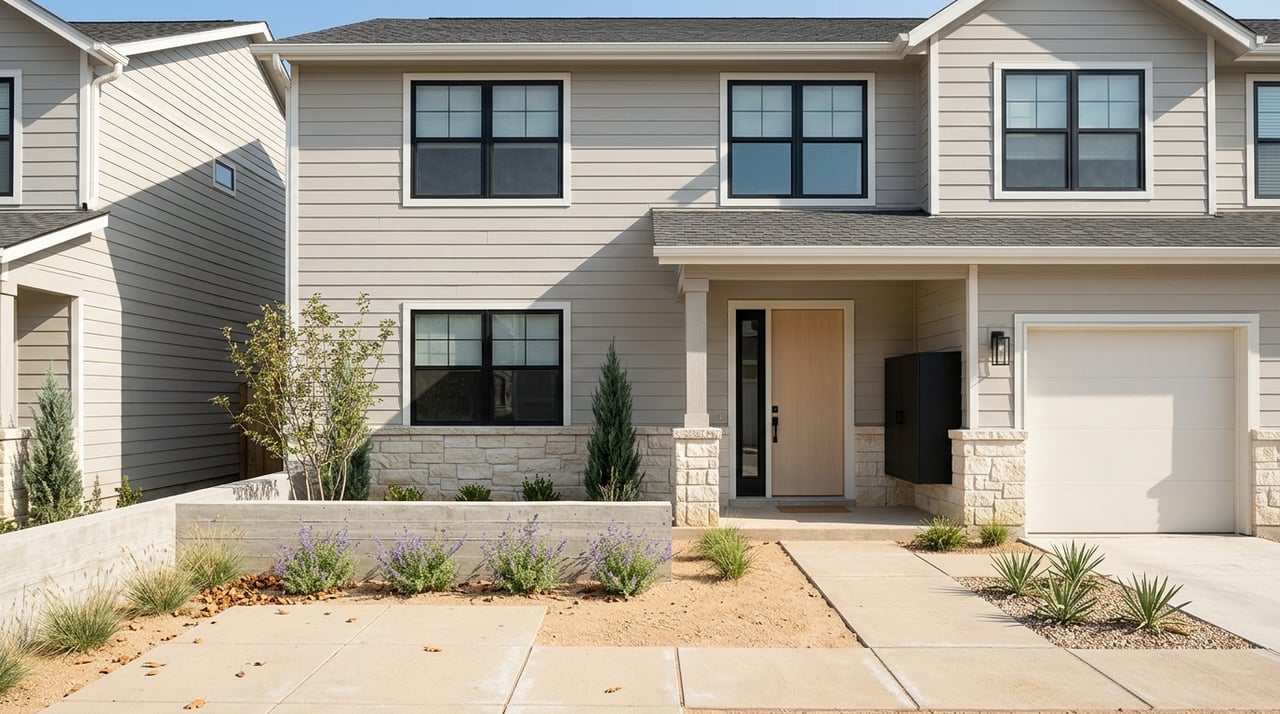
For many homeowners, attached homes offer a practical middle ground. You may be able to reduce your footprint, simplify upkeep, and still stay in Boulder.
Boulder County market data from January 2026 also show a notable pricing difference in the broader county market. The median sales price was $799,000 for single-family homes and $430,500 for townhome and condo properties. Inventory was also different, with 2.1 months for single-family homes and 3.6 months for attached homes.
That snapshot does not guarantee what you will find in a specific neighborhood or price point. Still, it suggests attached homes may offer a different balance of price, pace, and available choices for rightsizers.
If you are considering a condo or townhome, HOA review matters. Colorado’s HOA Information and Resource Center advises buyers to review the governing and financial documents available under Section 7 of the Colorado Contract to Buy and Sell.
Pay close attention to:
These details can materially affect long-term ownership costs and how flexible the property will feel once you move in.
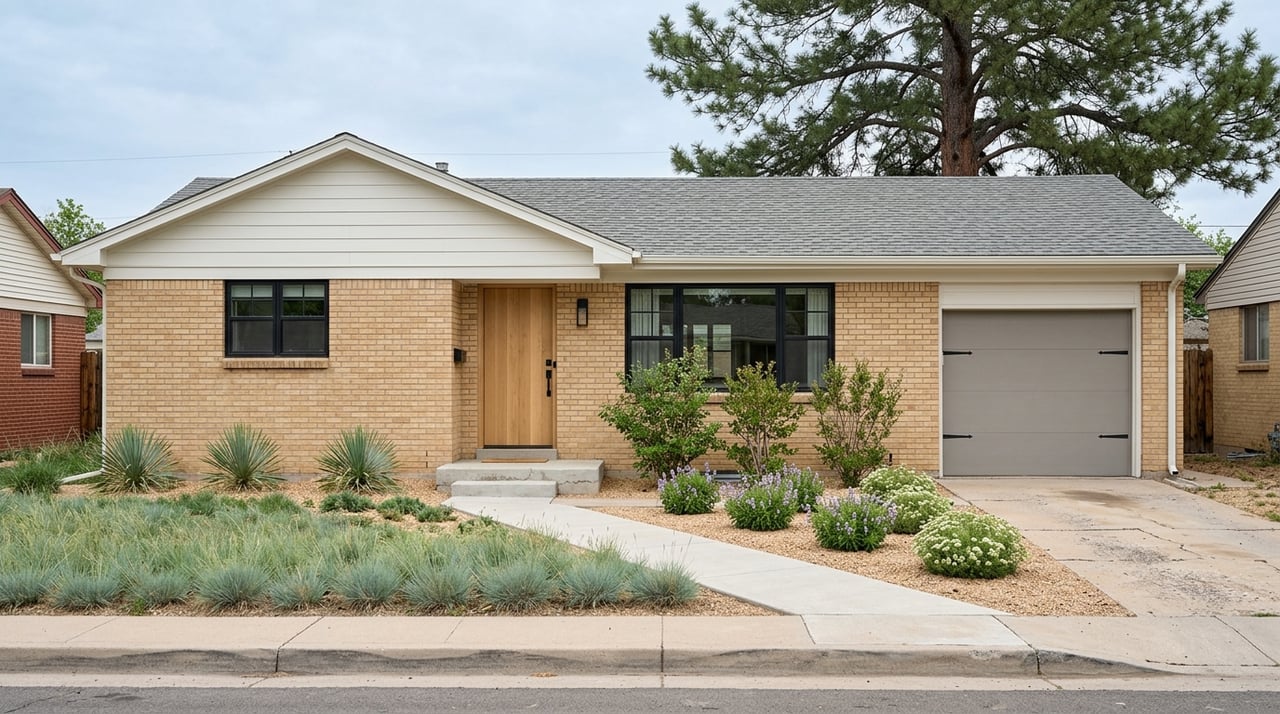
One of the biggest fears about downsizing is losing outdoor enjoyment. In Boulder, that does not have to happen. A smaller yard, patio, or courtyard can still feel satisfying if it is planned well.
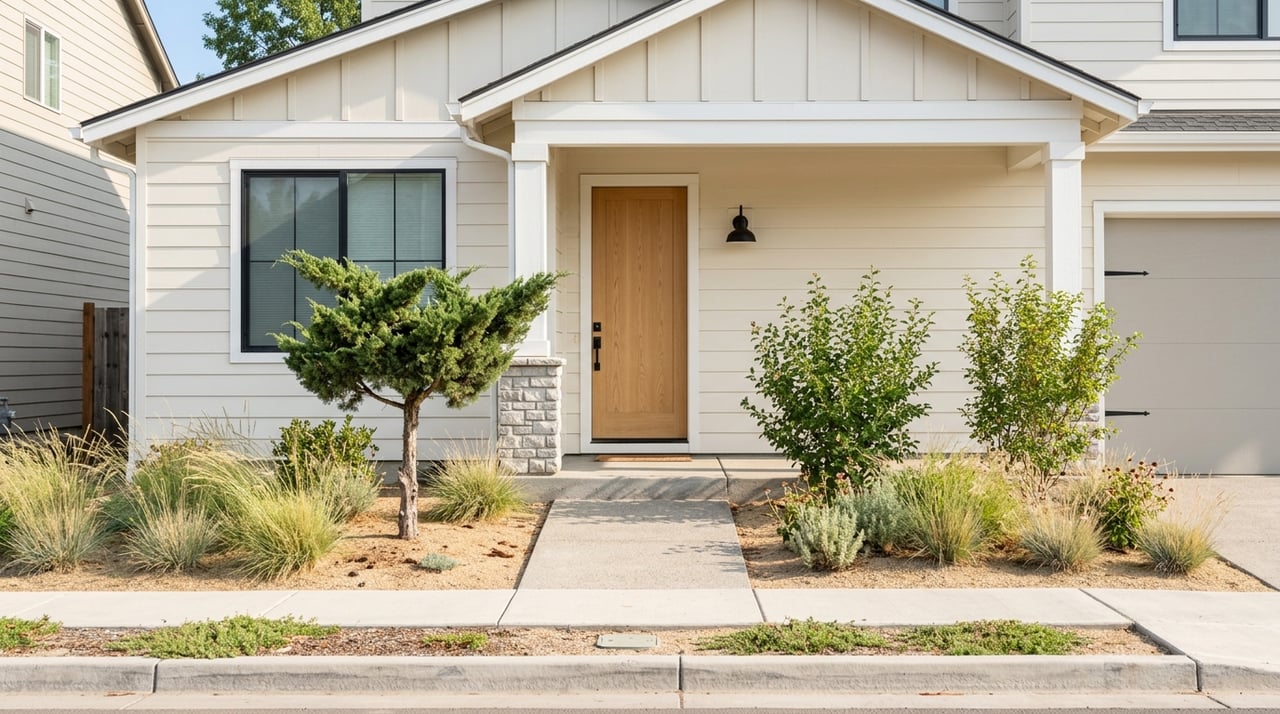
The city actively promotes waterwise landscaping, xeriscape design, and plant selection tied to water conservation and wildfire resiliency goals. That means low-maintenance outdoor living can be both practical and locally aligned.
You do not need a large lawn to enjoy time outside. In many cases, a more intentional outdoor setup is easier to manage and more useful day to day.
A well-designed smaller outdoor area may give you:
Boulder also uses water budgets, so outdoor water use is part of your monthly utility picture. For many downsizers, that makes a smaller landscape a financial choice as well as a lifestyle one.
A smaller home works best when storage is realistic. This is where many downsizing plans succeed or struggle.
In Boulder, storage is not always straightforward in attached housing. HOA documents and building rules may define whether storage rooms, garages, patios, and outdoor areas are private, limited, or shared.
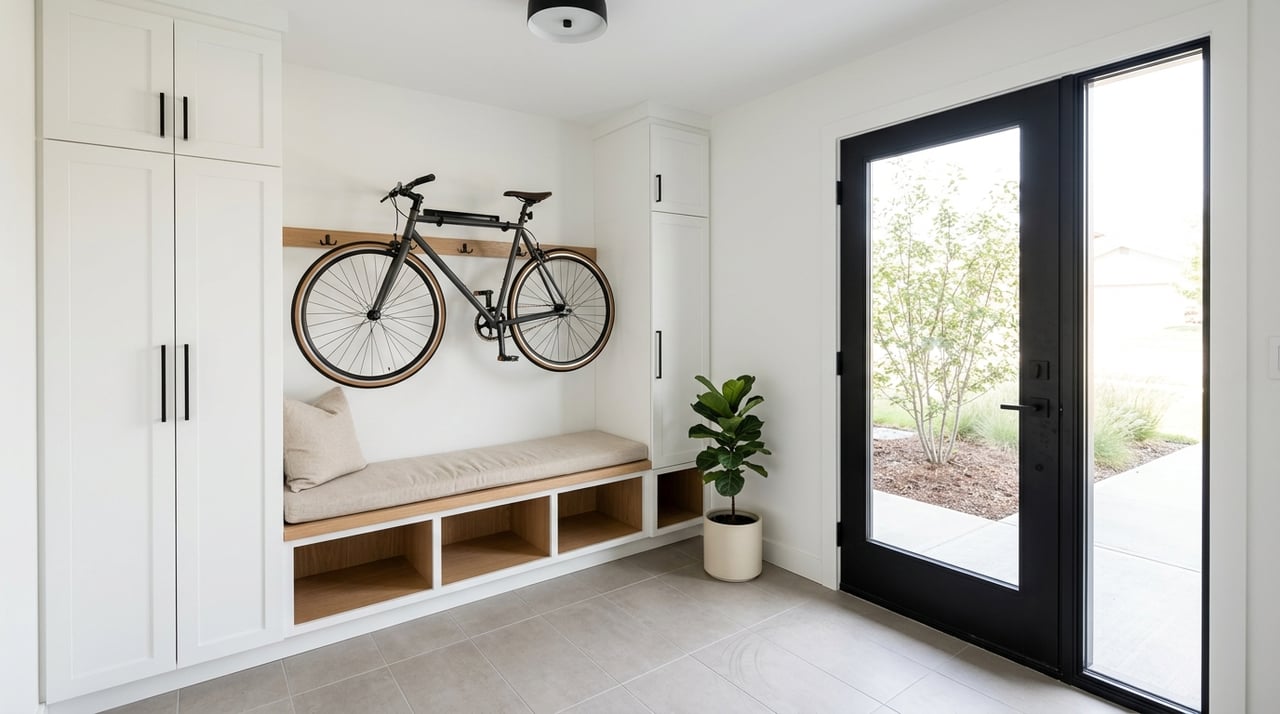
Before you buy, think beyond closets. Ask how seasonal gear, bikes, keepsakes, tools, and overflow items will fit into your new space without creating clutter.
Use these questions to evaluate a potential property:
This is one of the most overlooked parts of downsizing. A smaller home can feel comfortable quickly when your everyday storage plan is clear.
Downsizing can involve more than real estate. It can also include budgeting decisions, timing questions, and support needs during a transition.
Boulder County offers several senior-focused property tax programs, including a senior tax exemption, tax deferral, and a Senior Tax Work-Off Program that can offset up to $1,000 of the county portion of property taxes for qualifying homeowners age 60 or older. For some homeowners, these programs are worth reviewing before deciding whether to stay put, sell, or move to a smaller home.
Boulder County’s Area Agency on Aging also offers information, referral, and options counseling for older adults, caregivers, and people with disabilities. In addition, the City of Boulder’s Older Adult Services provides case manager consultations on housing, transportation, healthcare, food assistance, and more for residents age 60 and older.
These resources can make a move feel more manageable, especially if you are coordinating housing with broader life changes.
For buyers who want to stay in Boulder and may qualify financially, the city offers the Boulder Regional Affordable Homeownership Program. This program includes permanently affordable, owner-occupied homes at below-market prices for income-eligible buyers.
The city also offers down payment assistance grants. For some downsizers, especially those balancing sale proceeds, budget goals, and a desire to remain local, these programs may be part of the conversation.
The most successful downsizing moves in Boulder usually do not start with loss. They start with editing.
You are not trying to erase the life you built here. You are trying to keep the parts that matter most while letting go of maintenance, space, and costs that no longer serve you.
That might mean trading a large yard for a well-designed patio. It might mean choosing a townhome with a private entry over a larger detached home. Or it might mean finding a home that keeps you close to the walking routes, errands, and rhythms that already feel like Boulder to you.
With the right plan, downsizing can feel less like a compromise and more like a reset that supports your next season well.
If you are weighing a move in Boulder, Sheri Brown offers thoughtful, high-touch guidance to help you compare options, plan your next step, and downsize without losing the lifestyle you love.
Stay up to date on the latest real estate trends.
With Sheri's expert guidance, buying or selling your home becomes a seamless and positive experience, allowing you to focus on what truly matters: finding the perfect place to call home.
