
August 6, 2026
A general home inspection in Boulder is a starting point, not a finish line. The inspector who walks the roof, tests outlets, and runs the furnace is doing exactly what their scope requires. The trouble is that in this specific market, the findings that reprice deals rarely live inside that scope. They live under the slab, inside the sewer lateral, in the soil chemistry, and on a roof that has been hit by hail 270 times a year on average.
That gap is the thesis of this guide. If you are buying in Boulder, the specialty inspections you order alongside the general one are what protect your earnest money and your leverage. If you are selling, the same list tells you what a serious buyer will find first and negotiate hardest on.
Colorado's standard residential contract runs on deadlines, not vibes. The Buyer's Objection Deadline, commonly negotiated between 7 and 14 days after mutual acceptance, is when you must deliver a written list of concerns and requested remedies. A Resolution Deadline follows a few days later. Miss either and your leverage evaporates.
That short window is the reason sequencing matters. A radon monitor needs 48 hours of closed-house conditions before it produces a defensible reading. A sewer scope requires access to a cleanout and a plumber's schedule. A roofer's report on hail wear may take a week to draft. If you wait to order specialty work until after the general inspection is delivered, you have already burned four or five days of a two-week clock.
The practical move is to book radon, sewer scope, and any roof or structural specialty at the same time you book the general inspection, not after.
Here is the shape of a full Boulder inspection package, roughly what it costs, and why each line item exists in this specific market.
| Inspection | Typical cost | Why Boulder specifically |
|---|---|---|
| General home inspection | $500–$800+ | Baseline systems, safety, visible defects |
| Radon (48-hour continuous monitor) | $150–$250 | Boulder County is EPA Radon Zone 1 |
| Sewer scope | ~$269 standalone | Clay and cast-iron laterals in older neighborhoods |
| Roof inspection by licensed contractor | Often free | Hail exposure and insurance underwriting |
| Well water panel (mountain properties) | $150–$400 | Bacteria, nitrates, uranium, arsenic |
| Septic inspection (mountain properties) | $300–$700 | Most foothills homes are not on city sewer |
Cost figures reflect ranges reported by Boulder-area inspection providers as of spring 2026. The radon and mitigation numbers align with Boulder County's public guidance, which puts typical mitigation between $800 and $1,200.
Boulder sits on uranium-bearing sedimentary formations and granite that push radon into basements at rates that are among the highest measured in the country. The Colorado Department of Public Health and Environment estimates elevated radon in roughly one out of every two Colorado homes. Boulder County runs above that average.
For a real estate transaction, EPA guidance points to testing in the lowest area of the home that could be modified into living space, including an unfinished basement, using a continuous monitor rather than a charcoal canister. The house should be closed for 12 hours before the 48-hour test window begins.
Two negotiation points people miss:
Front Range hail is a physical event and a financial one. HailScore's NOAA NEXRAD data has logged 2,969 hail events within a 15-mile radius of Boulder since 2015, an average near 270 per year, with a peak season running April through August. The most recent detection at the time of writing was July 22, 2026.
The underwriting consequence is what surprises buyers. Wind and hail claims in Colorado now typically carry a separate percentage deductible of 1% to 5% of dwelling coverage rather than a flat dollar amount. On a $900,000 dwelling limit, a 2% deductible is $18,000 out of pocket before the carrier contributes anything. Under Colorado Senate Bill 38, it is illegal for a roofer to waive, absorb, or rebate that deductible.
Layer on the trend toward actual-cash-value roof settlements and cosmetic-damage exclusions, and a 15-year-old roof on a Boulder home is often worth less to the seller than they think and more expensive to insure than the buyer expects. During inspection, ask for:
A buyer who prices carrier availability before the Resolution Deadline has leverage. A buyer who discovers on the day of closing that three carriers declined to bind coverage has none.
Standard buyer home inspections do not scope the sewer lateral. That single fact accounts for a disproportionate share of unpleasant surprises during the first year of ownership.
Older Boulder neighborhoods including Mapleton Hill, Whittier, and Newlands were built with clay tile sewer laterals. Mid-century tracts like Martin Acres and Frasier Meadows more commonly used cast iron. Both materials fail through the same three mechanisms:
Bentonite-heavy expansive soils shift the pipe. Front Range freeze-thaw cycles crack the joints. Mature Siberian elm and cottonwood roots find those cracks and colonize the lateral.
None of that shows up in a standard home inspection. None of it appears on the Colorado Seller's Property Disclosure if the seller does not know. A 25-minute camera run at the cleanout catches all three, and the cost, roughly $269 in Boulder as of 2026, is a rounding error against a full-lateral replacement that can run five figures once you factor in trenching through a mature landscape or a street cut.
If the home was built before 1990, the sewer scope should be non-negotiable.
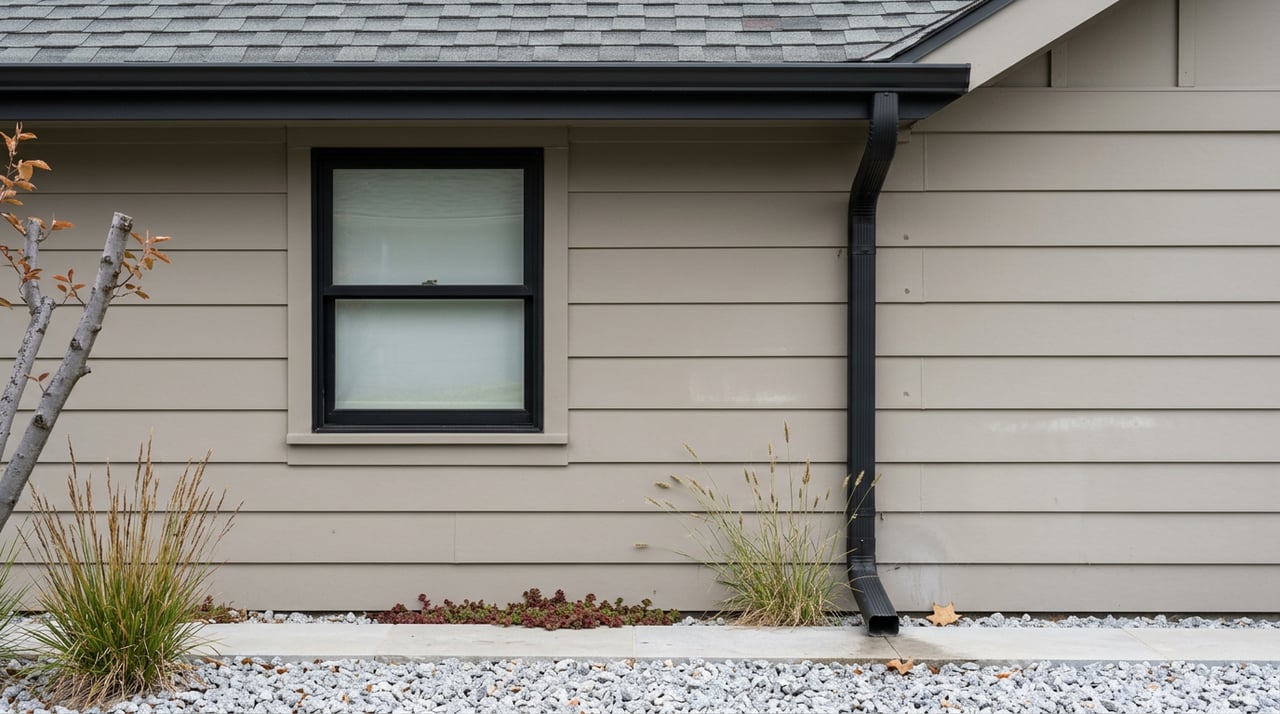
Boulder's expansive clays swell when wet and shrink when dry. The visible effects on a house are hairline cracks in drywall, sticking doors, and stair-step cracking in brick. The invisible effects are lateral pressure on foundation walls and the same underground pipe movement that drives sewer failures.
What matters during inspection is distinguishing active movement from historical settling that has stabilized. That is a judgment call that requires the inspector to look at grading, downspout terminations, irrigation coverage, and any prior repairs together. A structural engineer's letter costs a few hundred dollars and is often the right tool when a general inspector flags cracks but cannot commit to a cause.
Grading and downspout extensions are cheap fixes. Foundation repairs are not. The Objection Deadline is where that distinction gets priced.
Two dates carry weight in older Boulder stock.
Homes built before 1978 fall under federal Title X lead-based paint disclosure obligations. The seller must provide the EPA lead pamphlet and a disclosure form, and buyers have a 10-day window under federal law to conduct a paint assessment. That window runs concurrently with the Colorado Objection Deadline in most contracts. Coordinate them.
Homes built before 1989 in the City of Boulder are widely understood to contain asbestos somewhere. Popcorn ceilings, vinyl floor tile mastic, joint compound, and pipe insulation are the usual suspects. Asbestos is not automatically a deal-killer. It becomes one when a planned renovation would disturb it, which triggers Colorado's abatement requirements. Buyers planning a kitchen remodel or a basement finish in a pre-1989 home should price abatement into their offer, not into a post-close surprise.
Boulder's market as of May 2026 was closer to balanced than it has been in years. Median days on market moved into the low 50s, sale-to-list ratios sat near 98%, and a bit more than three in five listings had a price reduction on the way to closing. That environment reprices inspection objections. In a five-offer market, buyers self-censor their asks. In a 50-day market with meaningful negotiation, a well-documented inspection objection is where money moves.
Sellers who understand that will pre-scope the sewer, pre-test radon, and hand a fresh roof certification to the listing agent. Buyers who understand it will spend an extra $500 on specialty inspections in the first three days of the contract and use the findings to negotiate credits rather than repairs, which preserves flexibility after closing.
Do I have to be present for the inspections? No, but attending the general inspection is worth the two hours. You will learn more about the house from an hour with a good inspector than from any listing sheet.
Can I request a credit instead of repairs? Yes, and in most cases you should. Credits let you choose the contractor, control the schedule, and avoid rushed cosmetic fixes made under contract pressure.
What if radon comes back high after closing? You still have options. Mitigation systems work in nearly every home. The remedy is a known cost, not an open-ended risk.
Is a sewer scope worth it on a newer home? Often yes, particularly if the lot has mature trees or if the home is on a builder tract where line slope and debris in the initial pour have been documented as recurring issues.
If you are preparing to buy or list in Boulder and want to sequence your inspection strategy against the contract clock, Sheri Brown offers a personal consultation to walk through the specifics of your property and neighborhood. Schedule a Personal Consultation to make the objection window work for you rather than against you.
Stay up to date on the latest real estate trends.
With Sheri's expert guidance, buying or selling your home becomes a seamless and positive experience, allowing you to focus on what truly matters: finding the perfect place to call home.
