
July 16, 2026
Moving to Boulder can feel exciting and a little overwhelming at the same time. You may already know you want access to trails, a manageable commute, and the right kind of home, but narrowing that down by neighborhood is where things get tricky. The good news is that you do not need to memorize every block to make a smart decision. If you compare Boulder neighborhoods through the lens of daily life, the process gets much clearer. Let’s dive in.
One of the most helpful ways to compare Boulder as a newcomer is to think in subcommunities, not just neighborhood names. The city plans around areas shaped by major roads, waterways, and topography, and those physical differences influence land use, transportation, and neighborhood character.
For you, that means the best fit may come down to how you live each day. Instead of asking which neighborhood is most popular, it helps to ask which part of Boulder supports your routine, housing preferences, and transportation habits.
Downtown and the central area form Boulder’s most walkable core. This is where you will find the strongest concentration of services and pedestrian activity, along with shopping, restaurants, entertainment, and public parking.
If you want to do more errands on foot and stay close to the city’s busiest activity centers, this part of Boulder may be worth a closer look. Housing here is also more likely to include attached homes, stacked units, and above-retail living in certain areas.
North Boulder offers a different rhythm. It includes residential streets, greenway connections, access to neighborhood parks, and proximity to open space.
This area can appeal to newcomers who want a more residential feel while still staying connected to everyday destinations. The city also highlights connections like the 13th Street GreenStreet, which links the North Boulder Recreation Center, Community Plaza Shopping Center, and Downtown Boulder.
South Boulder and Table Mesa combine established residential areas with practical daily conveniences. City materials point to neighborhood shopping, branch library access, greenway connections, and quick links toward the foothills.
If your ideal routine includes errands, recreation, and trail access in the same general circuit, this area may deserve a spot on your shortlist. It can be especially useful to compare this part of town if you want residential surroundings without giving up convenience.
East Boulder and Boulder Junction are often grouped into a more mixed-use, pedestrian-oriented part of the city. Planning in this area closely ties together housing, employment, and transportation.
That said, it is important to verify how that works in practice today. The city notes that Boulder Junction is designed as a mixed-use district, but there are currently no bus routes into the location, so you should confirm live service before assuming an easy car-light commute.
A common mistake for newcomers is choosing a neighborhood based on a general impression instead of their actual travel mode. In Boulder, that can lead to the wrong fit fast.
The city has an extensive network for biking and walking, with more than 300 miles of bikeway, 84 miles of multi-use paths, 96 miles of bike lanes, 50 miles of designated bike routes, and Neighborhood GreenStreets. These lower-traffic streets are designed to improve comfort for walking and biking, which can make a real difference in your daily routine.
You will want to look beyond straight-line distance. A neighborhood may seem close to work, shopping, or recreation, but what matters more is whether the route connects comfortably through paths, bike lanes, or GreenStreets.
This is especially important if you want to use your car less often. In Boulder, route quality can matter just as much as route length.
Bus-friendly living in Boulder is easier to compare when you focus on route anchors. Instead of asking whether a neighborhood is “good for transit,” ask whether it connects to the stops and destinations you actually use.
A few examples from current service patterns include:
If you are relocating, it helps to map your most common destinations first. Then compare neighborhoods based on how directly those routes support your week.
In Boulder, it is easy to assume that being near the foothills means easy access to your favorite outdoor routine. In reality, trail access works better when you compare trailheads, access points, and parking realities, not just mountain views.
Boulder Open Space and Mountain Parks manages 162 miles of trails, 37 trailheads, and 76 access points. The city also advises people to plan ahead for busy trailheads and note that some access points are streetside only, without sanctioned parking.
South and west Boulder often connect to well-known destinations like Chautauqua, Enchanted Mesa, Mesa, and NCAR-Table Mesa. These areas support the kind of routine many newcomers picture when they imagine Boulder living.
But there are practical details to know. For example, Enchanted Mesa sits behind Chautauqua near Grant and Baseline, parking is very limited, and the city encourages carpooling, walking, biking, or using the shuttle.
North Boulder offers a different outdoor pattern. The Foothills Trailhead, just north of Boulder off Highway 36, provides access to Foothills Trail, Hogback Ridge, and nearby Boulder Valley Ranch trails, while North Sky Trail extends north toward Left Hand Canyon.
If you like the idea of a less central trail experience and want to compare a different side of Boulder’s open space system, North Boulder may feel distinct from the south and west foothills routine.
Northeast Boulder neighborhoods like Noble Park and Kings Ridge connect into parks, ditches, and multi-use paths. The city describes this area as linked by the Wonderland Creek Greenway and Cottonwood Trail, with access to Valmont City Park and reservoir-edge paths.
That can be a strong match if you want everyday path access woven into neighborhood life. It is a different experience from living near major foothill trailheads, but it may be the better fit for your routine.
Once you narrow your geography, the next step is comparing the kind of home and daily setting you want. Boulder offers a meaningful mix of historic areas, planned neighborhoods, established residential pockets, and mixed-use housing.
This matters because your comfort with maintenance, design review, attached living, or a more uniform neighborhood look can shape your experience as much as location does.
Boulder has 10 historic districts and more than 200 individual landmarks, covering more than 1,300 designated properties. In these areas, local designation recognizes historic, architectural, or environmental significance, and exterior work may require design review.
For a newcomer, that means older homes can offer character and a strong sense of place, but they may also come with additional review requirements for exterior changes. Areas in and around downtown, Pearl Street, Mapleton Hill, and Chautauqua are especially important to understand through this lens.
Some parts of Boulder offer a more planned residential feel. The city describes Noble Park and Kings Ridge as a planned community with common open space and consistent architectural elements, including white-painted masonry homes with colored shutters.
If you prefer a neighborhood with a more cohesive visual character, this can be useful to compare against Boulder’s more varied historic and infill areas.
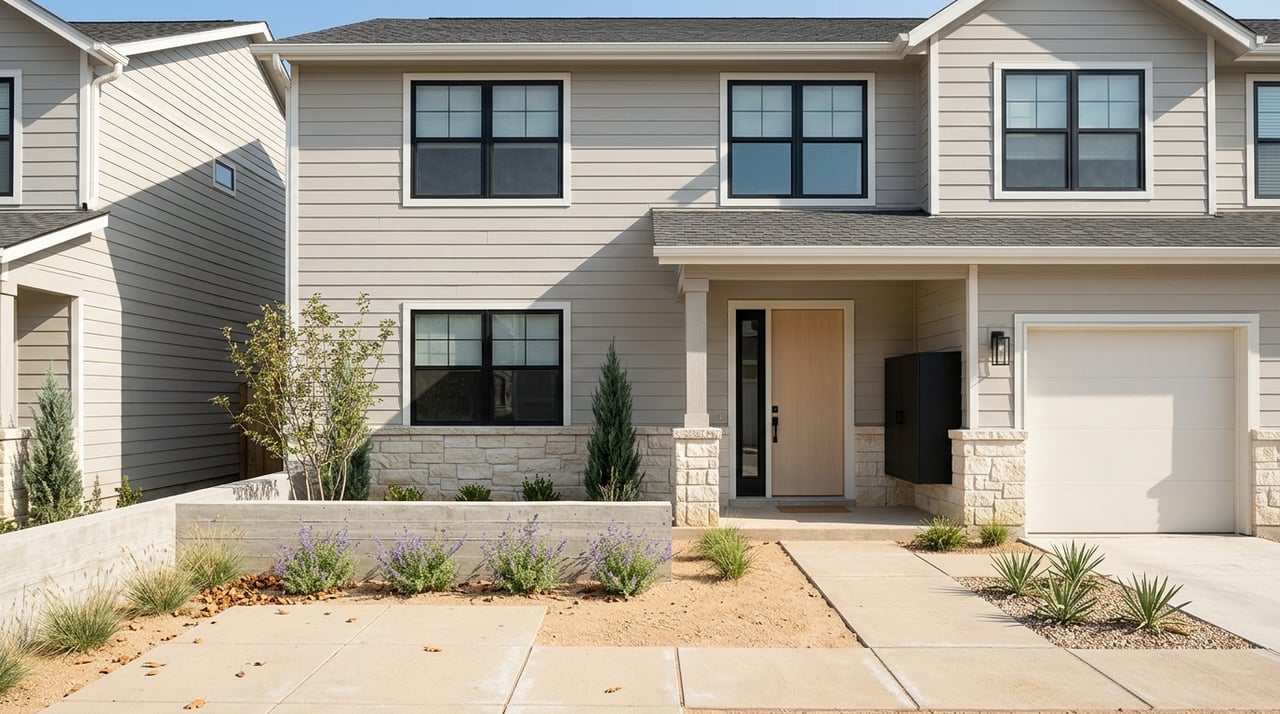
A city report describes Upper Table Mesa as having medium-to-large homes on mostly small lots, often with wood siding and composite roofs. Combined with nearby shopping, library access, and greenway connections, that gives you a clear picture of how home style and daily life can work together there.
If you are looking for a more established residential area with practical amenities nearby, this is a strong comparison point.
In places like Downtown and Boulder Junction, housing is more likely to include attached or stacked units, as well as homes integrated with nonresidential uses. The city defines mixed-use buildings as those combining attached residential units with nonresidential space.
This can be a great fit if you value proximity and lower-maintenance living. It may be less ideal if you are specifically looking for a detached-lot pattern.
If Boulder feels hard to compare, try using a short list of practical questions. This keeps your search focused on fit rather than first impressions.
Ask yourself:
You do not need to know every corner of Boulder before you move. You just need a clear picture of how you want your days to work, then compare neighborhoods against that picture.
A thoughtful neighborhood search is one of the best places to slow down and get specific. If you want a personalized, local perspective on how Boulder neighborhoods compare for your lifestyle, commute, and home goals, Sheri Brown can help you create a focused shortlist and move forward with confidence.
Stay up to date on the latest real estate trends.
With Sheri's expert guidance, buying or selling your home becomes a seamless and positive experience, allowing you to focus on what truly matters: finding the perfect place to call home.
