July 2, 2026
Trying to choose between a brand-new home and an older Boulder property? In this market, that decision is rarely simple. Boulder offers a mix of historic charm, limited new inventory, and strict building standards, so the best fit often comes down to how you want to live now and what kind of projects you want to take on later. Let’s dive in.
Boulder is not a market where old versus new is just about style. The city has high demand, limited space for new homes, and many older homes that may need updates. It also has 10 historic districts and more than 1,300 designated historic properties, which means age and location can affect what changes you can make in the future.
That makes your decision more personal and more property-specific. You are not only choosing finishes and floor plans. You are also choosing between different maintenance needs, review processes, neighborhood patterns, and long-term costs.
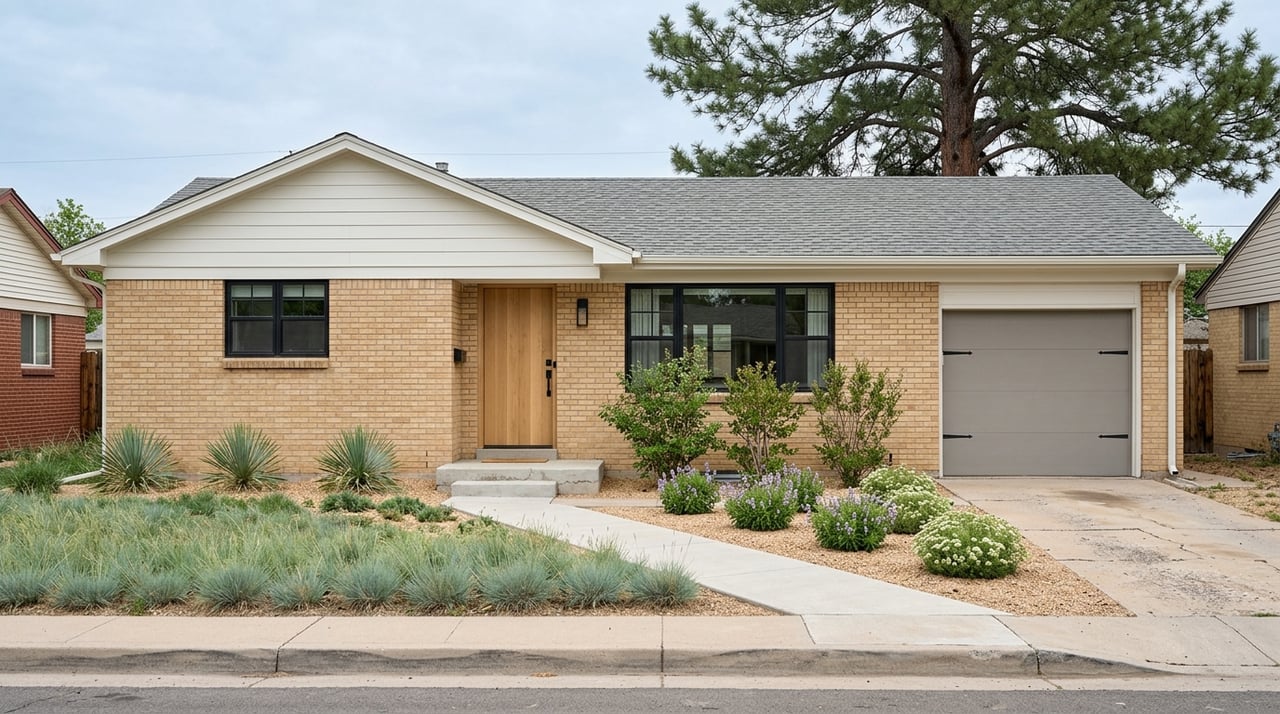
Older homes in Boulder often stand out for their architectural variety and established setting. City historic surveys document styles such as Craftsman Bungalow, Tudor Revival, Foursquare, Colonial Revival, Dutch Colonial Revival, and Italian Renaissance Revival. In some areas, the appeal also comes from mature trees, sidewalks, and blocks that reflect many decades of local history.
You can see that variety in and around areas such as Mapleton Hill, Chautauqua, West Pearl, University Place, and postwar neighborhoods like Martin Acres. Boulder describes Martin Acres as a large 1950s subdivision with curving roads, tree-lined streets, and modest tract housing. That gives buyers a very different feel from a newer planned area.
For many people, older homes create a stronger sense of place. If you love original character, layered design, and established streetscapes, an older home may feel more memorable and distinctive than a newer build.
Character usually comes with more homework. Older homes may need system updates, more maintenance planning, or renovation work over time. If the home is landmarked or located in a historic district, exterior changes require a Landmark Alteration Certificate.
That review process can affect projects such as:
Historic designation does not freeze a neighborhood in time, and it does not change zoning or allowed use. Still, it does shape how exterior work happens, which matters if you hope to remodel later.
Even if a home is not designated, age can still matter. Boulder notes that non-designated buildings over 50 years old can trigger demolition review if the proposed work meets the city’s demolition definition. For buyers who want flexibility, this is an important part of due diligence.
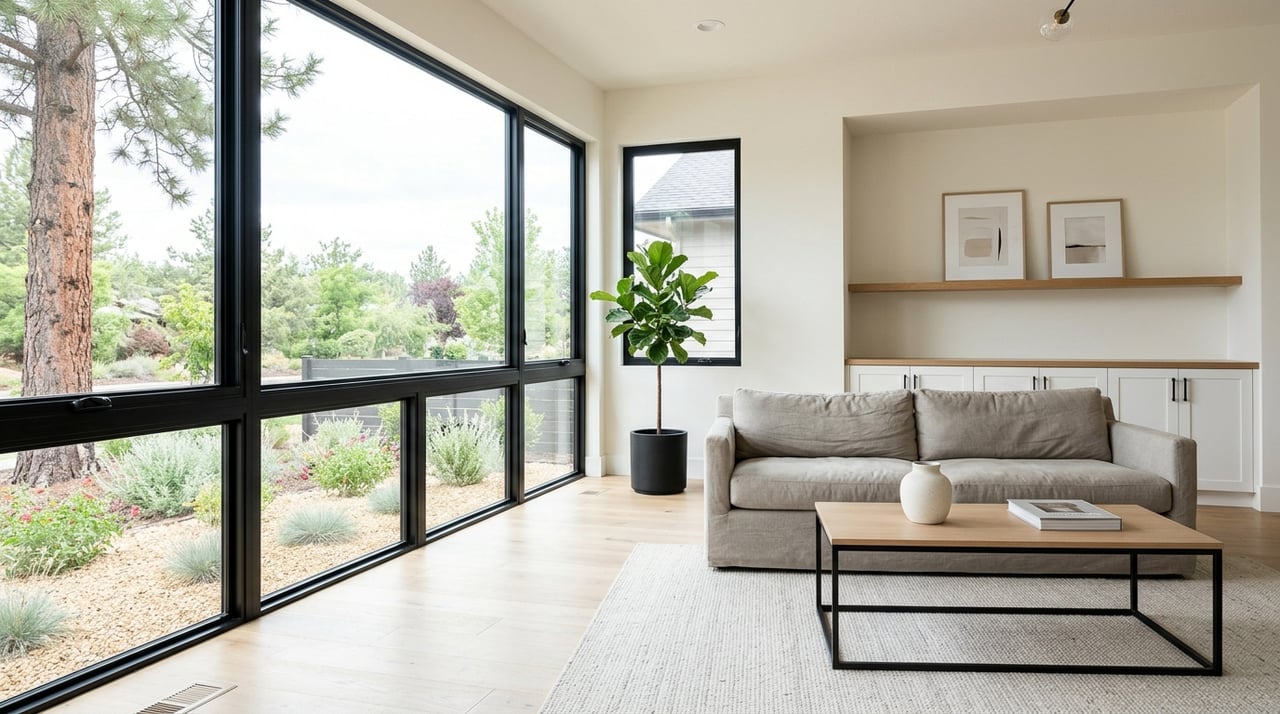
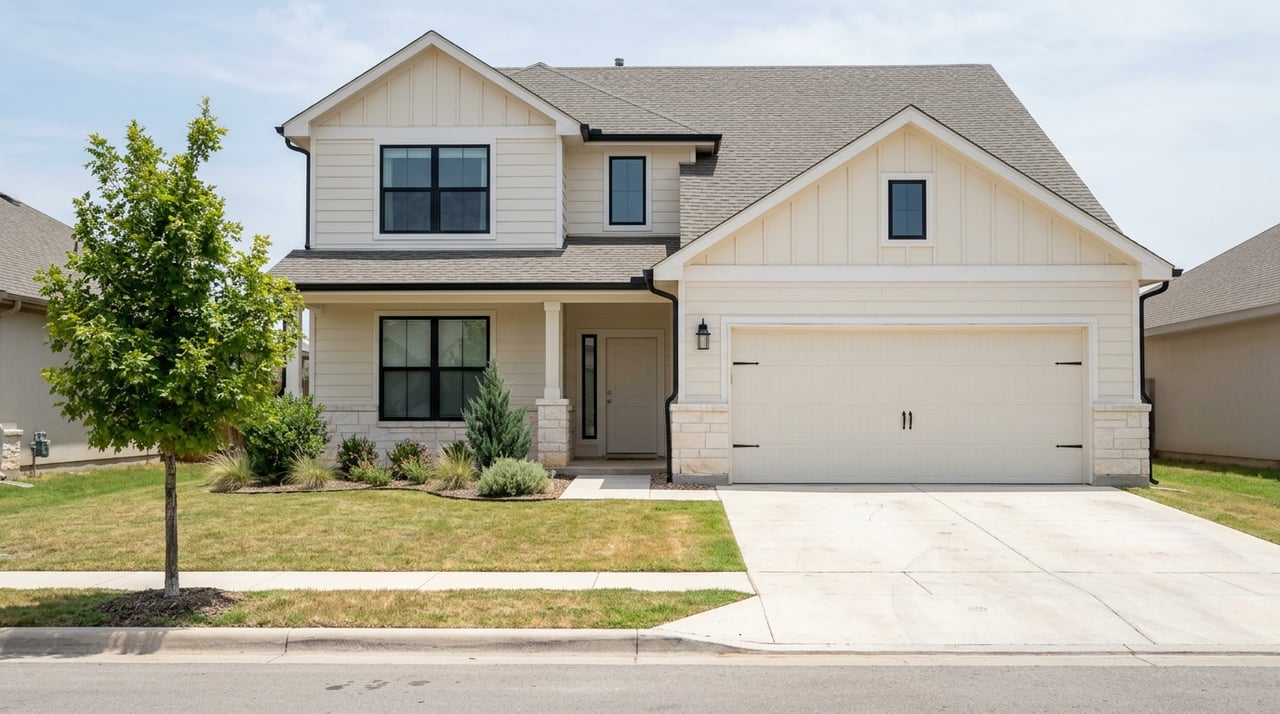
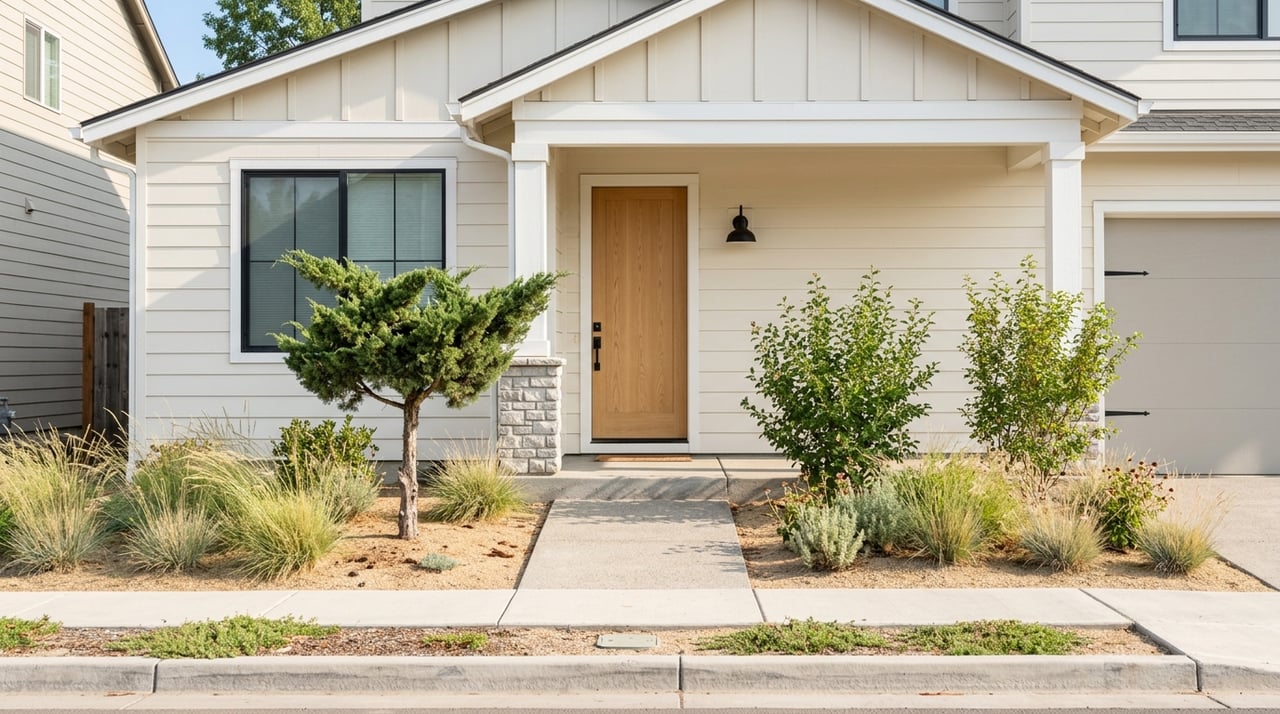
New construction starts from a very different baseline. Instead of asking what needs to be updated, you are usually evaluating a home built around current code requirements, newer systems, and Boulder’s latest energy standards. That can feel simpler if you want a home that is more move-in ready from day one.
Boulder’s 2024 energy code pushes new homes and major alterations toward high-performance outcomes. The city requires projects over 1,000 square feet and major alterations to use the ERI compliance path. Homes under 3,000 square feet must reach an ERI of 30 or less, homes 3,000 square feet and larger must reach ERI 0, and new construction, additions, and major alterations must be all electric.
For buyers, that can translate into a more predictable efficiency baseline. You are starting with a home designed around Boulder’s current standards rather than planning retrofits later. That does not replace a home inspection, but it can reduce the number of immediate upgrade questions after closing.
Boulder does not have endless room for large new subdivisions. The city says there is high demand and limited space available for new homes. As a result, newer housing often comes through infill, redevelopment, and carefully planned pockets instead of broad greenfield development.
The city’s inclusionary housing program also shapes new development. Every new residential unit is subject to the program, with affordability requirements that generally apply at 25 percent for developments with more than five units and 20 percent in smaller developments, including single-family homes. For buyers, the practical takeaway is simple: new supply is limited, and what gets built can look different from newer communities in less constrained markets.
A good local example of a newer planned feel is Noble Park and Kings Ridge, where development began in the late 1980s. The city describes it as a planned community with wide divided streets, common open space, trail access, and a consistent architectural vocabulary. That is a different living experience from older Boulder blocks with mixed-era homes and more visible historic layering.
In Boulder, the old-versus-new question often becomes a long-term cost question. Do you want to pay more upfront for newer systems and code compliance, or would you rather reserve part of your budget for future improvements in an older home? That is often the more useful way to frame the choice.
Older homes may shift more work into your post-closing plan. Depending on the project, Boulder says additions and alterations may require items such as asbestos inspection, Energy Code checklists, historic review, floodplain permits, stream or wetland permits, soils reports, grading and drainage plans, and Wildland-Urban Interface compliance information.
For homes built before 1978, renovation planning deserves extra care. The EPA says these homes are more likely to contain lead-based paint, and renovation can create lead dust. The EPA also advises checking for asbestos if a renovation could disturb suspect materials.
That said, older does not automatically mean inefficient. Boulder’s historic preservation guidance notes that historic window rehabilitation can achieve energy performance comparable to new Energy Star-rated windows. So if you are drawn to an older home, it is worth evaluating actual condition and upgrade options rather than assuming the home cannot perform well.
Factor | Older Boulder Home | Newer Boulder Home |
|---|---|---|
Feel | More architectural variety and established streetscapes | More consistent design and planned-community feel |
Future changes | Exterior work may involve historic or demolition review | Typically fewer age-related review issues |
Systems | May need updates over time | Built to current code baseline |
Energy starting point | May require targeted upgrades | Starts with current all-electric, high-efficiency standards |
Inventory | Often more common than brand-new homes | Limited supply due to land constraints and development rules |
Maintenance | Usually more variable and property-specific | Often more predictable early on |
Boulder’s cost of entry makes every decision feel higher stakes. The city reported a 2023 median sales price of $1.25 million for a detached single-family home in Boulder, and it also noted that homeownership costs have risen faster than incomes.
In that context, your choice should go beyond purchase price alone. A newer home may ask for more upfront, while an older home may create room for future projects but also more unknowns. The right answer depends on your comfort with maintenance, your remodeling goals, and how much flexibility you want after closing.
If you are torn, focus on your daily life and tolerance for future projects. A lower-maintenance buyer often leans toward newer construction. A buyer who values character, mature neighborhoods, and architectural detail often leans toward an older home.
Here are a few questions worth asking yourself:
In Boulder, there is rarely a one-size-fits-all answer. The best decision is usually tied to the property’s exact age, location, lot constraints, and your plans for the home over the next several years.
A thoughtful local review can make this choice much easier. If you want help comparing specific homes, neighborhoods, or renovation tradeoffs, Sheri Brown can help you look beyond the listing photos and focus on what will work best for your life.
Stay up to date on the latest real estate trends.
With Sheri's expert guidance, buying or selling your home becomes a seamless and positive experience, allowing you to focus on what truly matters: finding the perfect place to call home.
