
February 19, 2026
Buying your first home in Boulder can feel exciting and overwhelming at the same time. You want access to trails, great coffee, and a short commute, but you also need a smart plan for budget, neighborhoods, and financing. This guide breaks down where first-time buyers tend to find value, what tradeoffs to expect by area, and how to move from browsing to closing with confidence. Let’s dive in.
Boulder’s central market typically sits in the high six to low seven figures, with many snapshots placing typical home values around the $900,000 to $1,000,000 range. Recent platform data shows the market has cooled from the pandemic peak, with more inventory and longer timelines than in 2020 and 2021. Median days to pending often sits around two months, which gives you more breathing room for showings, inspections, and decision making. Most first-time buyers look at condos, townhomes, or smaller and older single-family homes for the most accessible entry points.
If you want larger inventories at lower price points, you may also consider nearby cities in Boulder County. Longmont, Lafayette, and other close-in suburbs often show more options under the top Boulder medians. You can still enjoy quick trips into the city for work and recreation while gaining extra space or a yard.
Start by prioritizing what matters most today and in five years. Consider the following:
If you want a car-light lifestyle, central Boulder is the most walkable and bikeable part of town with Pearl Street, CU cultural life, and quick access to trailheads. Homes include historic houses, townhomes, and a high share of condos and student rentals in parts of University Hill. Prices per square foot are often among the highest in the city, and parking can be limited on some blocks. Entry-level options here tend to be smaller condos or older units with HOA rules to review carefully.
These established neighborhoods sit close to Mount Sanitas trailheads and offer a mix of older bungalows and newer infill homes. Single-family properties are common, and medians often reach well into seven figures in many monthly snapshots. The appeal is access to foothills, mature streetscapes, and proximity to central amenities. Plan for a higher budget if this area is your top pick.
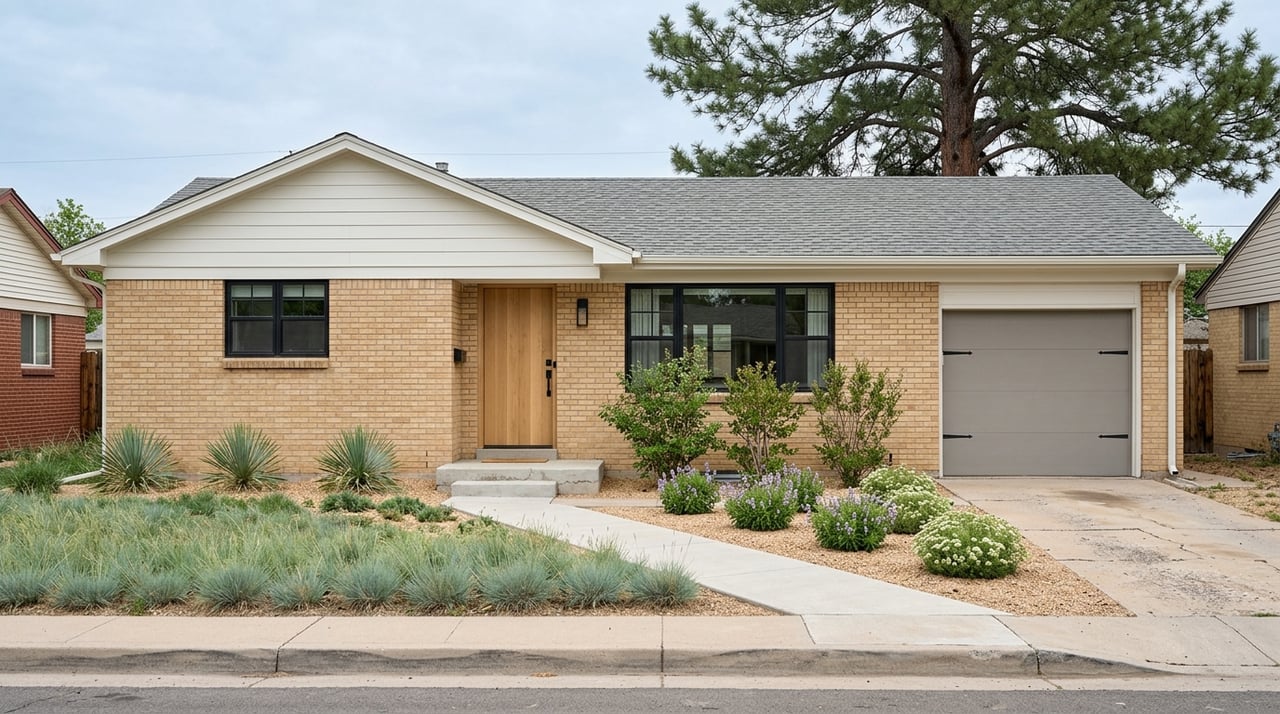
South Boulder areas generally reflect 1960s and 1970s building eras, parks, and community rec access, with convenient connections to US 36. Local snapshots often show medians below the most expensive central pockets, though submarket variation can be significant. Many buyers look here for a more attainable path to a detached home inside city limits. Expect a more car-oriented feel in parts of the area, but you still have bike routes and transit.
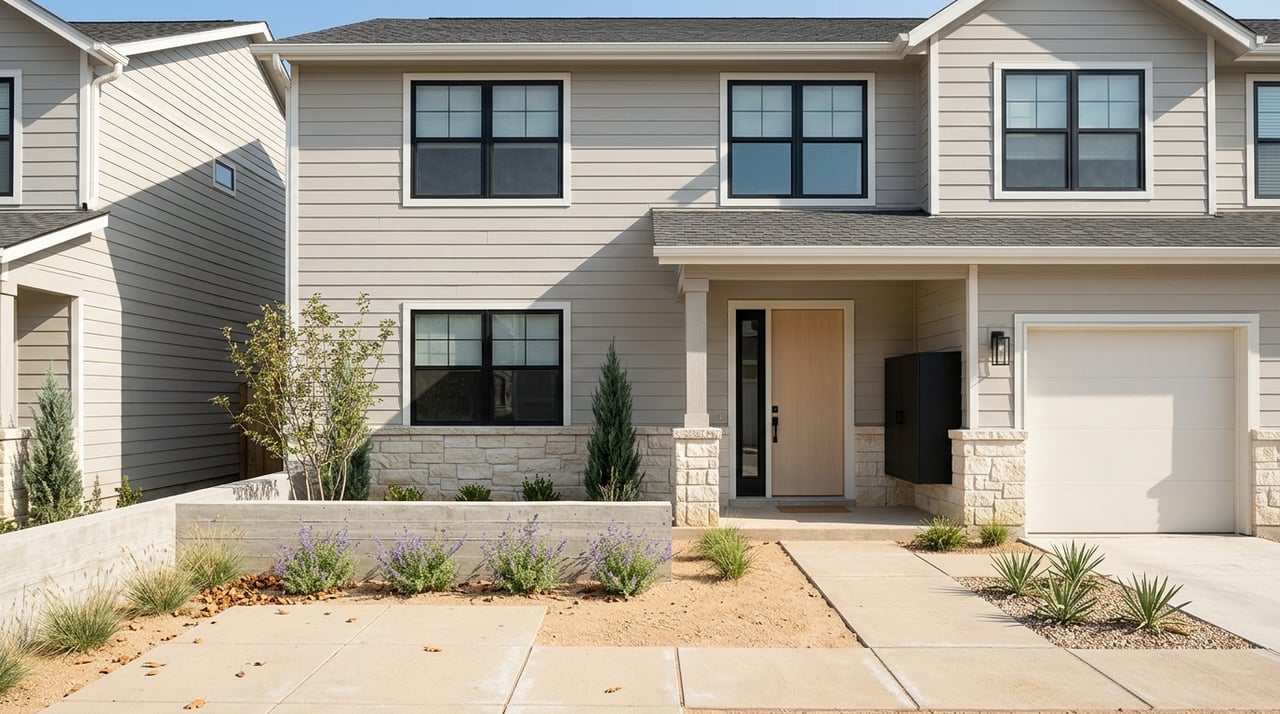
Gunbarrel offers a mix of newer subdivisions, condos, and townhomes, and has become a frequent choice for price-sensitive buyers seeking a Boulder address. Shopping and amenities have improved over time, and commutes to downtown by car are commonly 15 to 20 minutes in normal traffic. Prices are typically lower than central Boulder medians, which can open up more space or an extra bedroom. The tradeoff is a more suburban setting and fewer historic homes.
Areas like Pine Brook Hills, Devil’s Thumb, and nearby foothill pockets offer elevation, privacy, and dramatic views. Prices here are often among the highest in the region, and access can be slower, especially in winter weather. Wildfire preparation and insurance availability are meaningful due-diligence items to confirm. Trail access and scenery are exceptional, so make sure your risk checks and maintenance plans are thorough.
Boulder’s mean travel time to work is about 19 minutes, which reflects a lot of residents living close to jobs and services. You can confirm this citywide measure in the U.S. Census QuickFacts. If you commute to Denver, the Regional Transportation District’s Flatiron Flyer bus rapid transit connects Boulder and Denver with multiple routes. Depending on the service pattern and first and last mile, many riders plan roughly 40 to 60 minutes door to door.
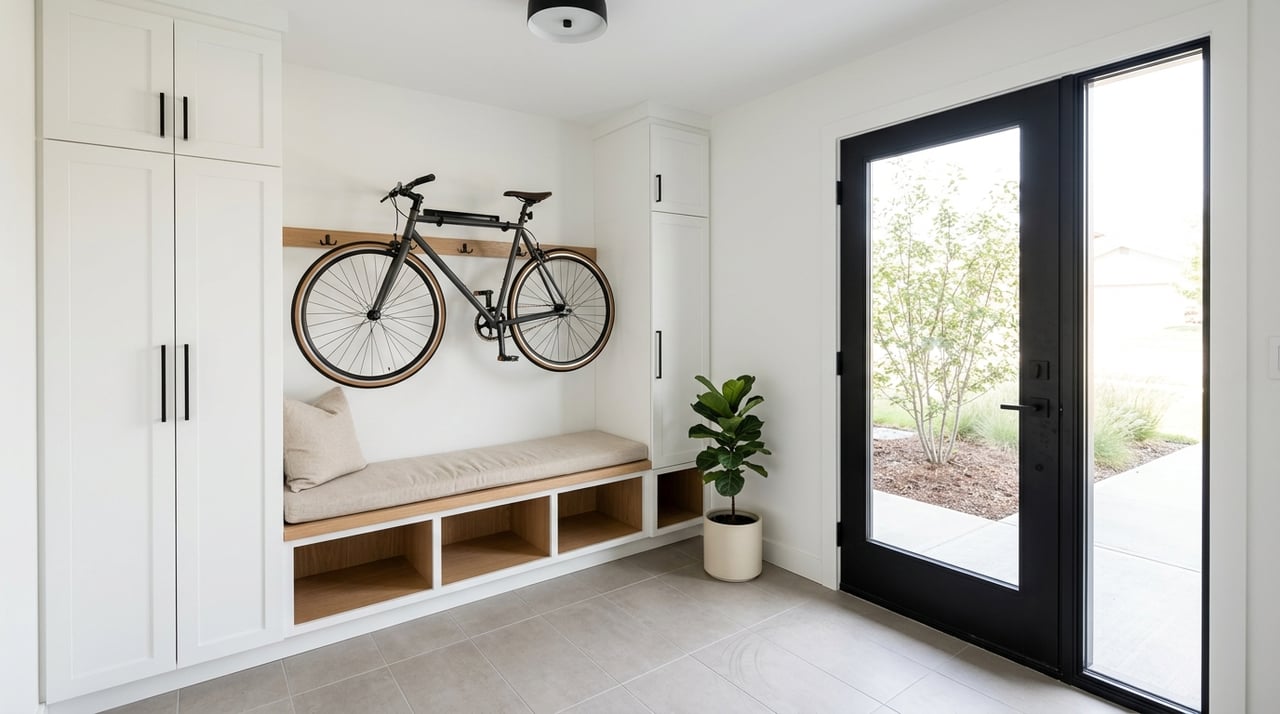
Biking and walking are core parts of the local culture, especially in central neighborhoods. Trailheads and Open Space & Mountain Parks surround the city, and many buyers choose areas based on trail proximity. If you want car-light living, focus on the central grid and places near CU, Pearl Street, and major bike corridors.
Helpful links:
Most of Boulder is served by the Boulder Valley School District. The district operates choice enrollment and has announced boundary adjustments for the 2026 to 2027 school year. If schools are part of your decision, verify attendance boundaries, feeder patterns, and current policies at the time of contract using BVSD’s official resources. Start here: BVSD schools overview.
Colorado Housing and Finance Authority offers down-payment assistance paired with CHFA first mortgages. Current options include a DPA grant up to the lesser of 3 percent or 25,000 dollars, and a second-mortgage DPA option up to the lesser of 4 percent or 25,000 dollars. CHFA also runs targeted programs like FirstGeneration and HomeAccess. You must work with a CHFA-participating lender and complete required homebuyer education. Learn more: CHFA down-payment assistance.
The Colorado Housing Assistance Corporation provides low-interest down-payment loans and homebuyer education that can pair with other programs in some cases. Availability, income limits, and maximum purchase price caps can change based on funding cycles. Start education early so you can move quickly when you find the right home. Program info and classes: CHAC homebuyer education.
Practical steps:
Colorado’s effective property tax rate is relatively low compared with many states, around 0.5 percent statewide. Actual bills vary by taxing district and mill levies, so always request an address-level estimate from the county assessor or treasurer. Also note that recent changes to Colorado assessment rules can affect how taxable value is calculated. For context, see the Tax Foundation’s Colorado overview.
If you are considering a condo or townhome, plan for monthly HOA costs and review rules early. Request budgets, reserve studies, meeting minutes, and any known special assessments as part of your due diligence. In neighborhoods near downtown and University Hill, HOA communities are common, and rental rules may apply.
Some areas carry higher flood or wildfire exposure. For creek-adjacent addresses or foothill properties, review local hazard maps, order relevant inspections, and secure insurance quotes during your contingency window. A good starting point is the city’s Boulder flooding guide. If you are shopping in foothill neighborhoods, also ask about wildfire mitigation and evacuation routes.
Parking expectations vary by block. If on-street parking matters to you, confirm whether the property sits inside a permit zone and what the current household limits are. Rules and fees can shift over time, so do not rely on old listings for this detail. You can check the current program at City parking permits.
You do not need to navigate Boulder’s price bands, programs, and neighborhood nuances alone. If you want patient, design-savvy guidance from a long-time local who knows how to help first-time buyers get clear and move with confidence, reach out to Sheri Brown. Let’s map your budget to the right neighborhoods and build a step-by-step path to the keys.
Stay up to date on the latest real estate trends.
With Sheri's expert guidance, buying or selling your home becomes a seamless and positive experience, allowing you to focus on what truly matters: finding the perfect place to call home.
