

November 21, 2025
Wondering if now is the right time to buy or sell in Broomfield? You are not alone. Headlines change fast, and the metrics can feel confusing. This guide breaks down the local indicators that matter, why Broomfield sees steady demand, and what those signals mean for you by price point and property type. You will leave knowing how to read the market and how to prepare for your next move. Let’s dive in.
Broomfield sits between Denver and Boulder along the US 36 and I 25 corridors, which puts you close to multiple job centers and transit. This location is a consistent driver of housing demand for commuters and remote workers who go on site part time.
Amenities also help support demand. You have parks and open space, retail centers, and access to regional routes. School district boundaries and options play a role in how families search, so it is smart to verify zones directly with the district before you house hunt.
Regional employment trends are a big factor. Job growth in tech, healthcare, logistics, and professional services across the Denver metro tends to lift housing demand in commuter friendly suburbs like Broomfield. You can track metro job momentum through the Bureau of Labor Statistics’ Denver updates to understand the backdrop for buyer activity in the latest BLS releases.
For demographic context and household formation, check the city’s profile in U.S. Census QuickFacts for Broomfield. Population and household changes often flow through to entry and mid price segments first.
These are the core metrics you will see in Broomfield market reports and how to read them.
The median sale price is the middle of all closed sales in a period. It is less affected by extreme outliers. Short swings can reflect mix shift, so focus on 6 to 12 month trends. Segment by property type and neighborhood for a clearer picture.
Active inventory is the number of homes listed for sale. Months of supply equals active listings divided by the average number of homes selling each month. As a rule of thumb, about 4 to 6 months is balanced, under 3 months favors sellers, and over 6 months favors buyers. In Broomfield, entry level inventory can stay tight even when the citywide picture looks balanced.
Median days on market measures how long it takes for a typical listing to go under contract. Short timelines signal strong demand and highlight well priced homes. Longer timelines can point to cooling conditions or overpricing.
This ratio shows the sale price as a percentage of the original list price. Over 100 percent suggests multiple offers. Around 98 to 100 percent is competitive but more stable. Lower ratios indicate more room to negotiate and possible price reductions.
Compare how many new listings hit the market versus how many go pending. When pendings regularly outpace new listings, inventory tightens and prices can rise. When new listings exceed pendings, inventory grows and buyers get more options.
Price per square foot helps you compare across neighborhoods and product types. Rapid changes in a specific pocket can signal renewed interest or improving amenities. Always view price per foot alongside condition, lot, and location.
| Indicator | Rising Often Means | Falling Often Means |
|---|---|---|
| Median sale price | Stronger price pressure, mix shift possible | Softer pricing or more lower priced closings |
| Months of supply | More buyer leverage if it exceeds 6 months | Seller leverage if below 3 months |
| Median days on market | Slower absorption or overpricing | Faster absorption, competitive bidding |
| Sale to list ratio | Buyers paying closer to or over list | More negotiation room |
| Pendings vs new listings | Tightening inventory if pendings lead | Growing inventory if new listings lead |
For up to date trends, check the local MLS. The REColorado MLS publishes active listings, pending counts, and median metrics that agents use to track Broomfield week by week.
This segment, which includes many condos, townhomes, and smaller single family homes, tends to have the highest demand and the lowest inventory. Months of supply and days on market are often the tightest here. If mortgage rates dip, activity can pick up quickly. As a buyer, you will want preapproval, fast decision making, and a realistic plan for appraisal and inspection. As a seller, strong presentation and pricing to the market can lead to multiple offers.
This tier draws the broadest pool, including local move up buyers and relocating professionals. Conditions vary by neighborhood and school boundary. Pricing strategy and reach matter. Small investments in staging and repairs can shorten days on market. Buyers may have more room to negotiate when inventory edges up.
This segment serves a smaller buyer pool and is more sensitive to economic sentiment. Expect longer marketing times and higher months of supply during cooling periods. Buyers can find opportunities when luxury inventory grows. Sellers benefit from patient timelines, calibrated pricing, and flexible terms.
Attached housing can move differently than single family homes. HOA rules and reserve health influence demand, and some lenders have additional review steps for condo projects. Buyers should review HOA financials and resale records early. Sellers should price with HOA fees and any rental or pet policies in mind.
Future inventory depends on how many single family, townhome, and condo units are permitted and completed. Broomfield has a mix of master planned communities and infill, so permit trends matter for entry and mid tiers. You can follow planning and housing updates on the City and County of Broomfield website.
Zoning, density allowances, and any city initiatives that support affordable or missing middle housing shape supply over the medium term. Review current strategies and meeting updates through Broomfield’s municipal pages to see what is in the pipeline.
Improvements along US 36 and I 25 and bus rapid transit corridors can raise interest in nearby neighborhoods. Better access tends to shorten time to employment centers, which supports demand for commuter friendly homes.
Property taxes, local fees, and HOA dues all affect the cost to hold a home. You can confirm property tax details through county resources, and it is helpful to benchmark HOA fees when comparing attached homes.
In Broomfield, demand is anchored by location between Denver and Boulder, access to major corridors, and a steady flow of relocating professionals. Entry level segments often move the fastest, mid market trends are neighborhood specific, and upper end homes require patient strategy. If you read the core indicators together, you can time your move with more confidence.
If you would like a neighborhood level read and a plan tailored to your goals, reach out. With design forward prep, Compass marketing tools, and data driven pricing, you can move forward with clarity. Connect with Sheri Brown to Schedule a Personal Consultation.
Stay up to date on the latest real estate trends.

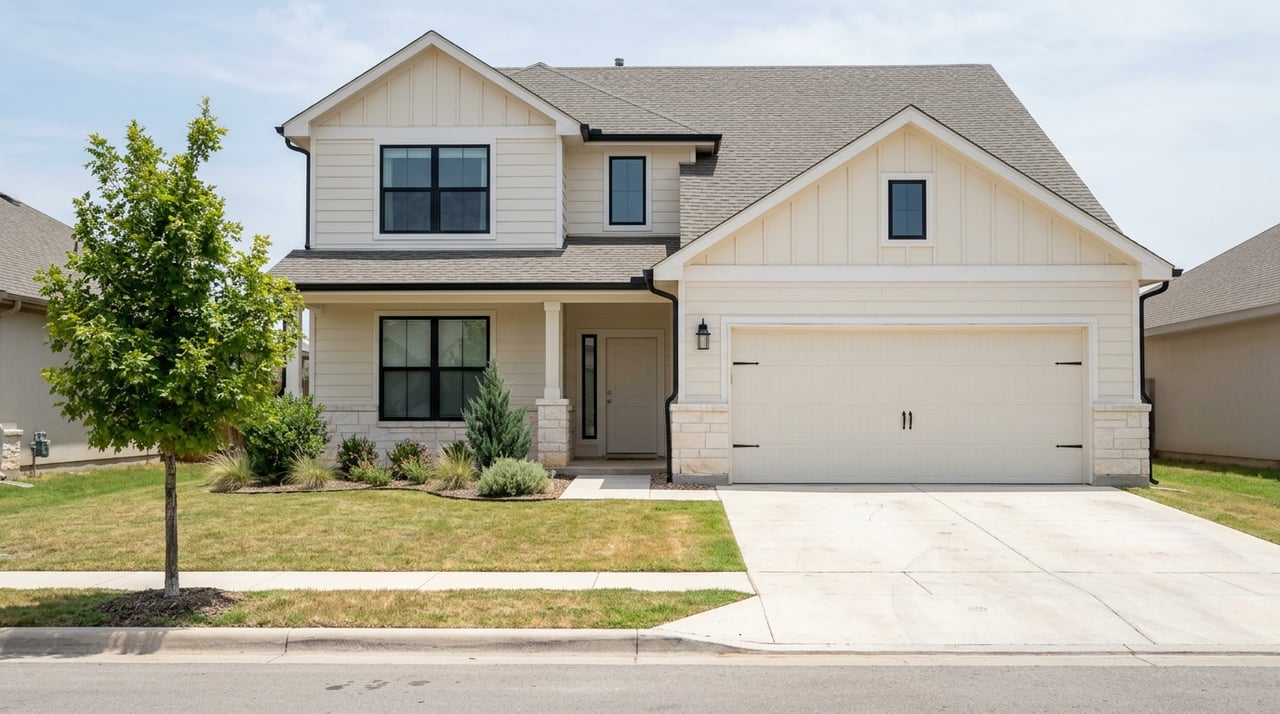

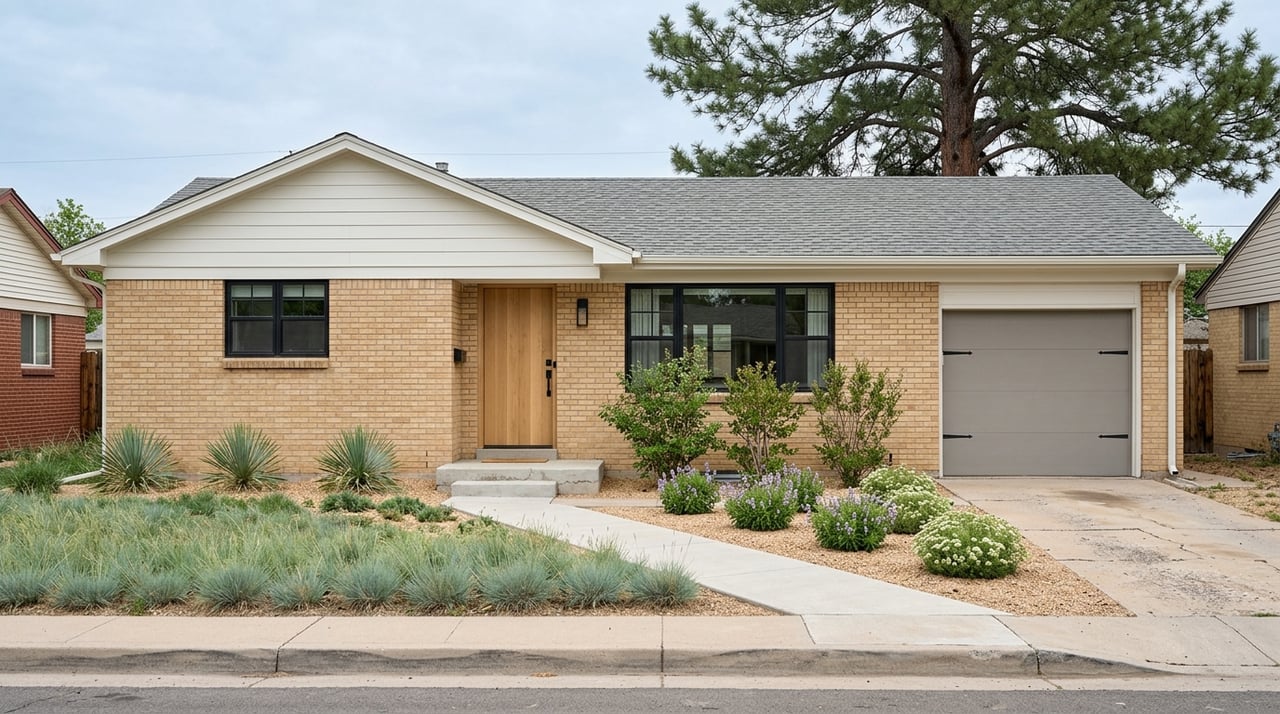





With Sheri's expert guidance, buying or selling your home becomes a seamless and positive experience, allowing you to focus on what truly matters: finding the perfect place to call home.
