

March 5, 2026
Choosing between a condo and a house in Boulder shapes your budget, your routine, and how you enjoy this city. If you are a first-time buyer or downsizing, the choice can feel big because prices, HOA rules, and upkeep look very different. This guide gives you a clear, Boulder-specific comparison so you can decide with confidence. You will see costs, local rules, lifestyle tradeoffs, and a simple checklist to make the numbers real. Let’s dive in.
Boulder’s median sale price sits roughly in the $900K to $930K range today. Many single-family homes in central neighborhoods trade above $1M, while condo and townhome prices tend to be lower on average. The market has cooled from peak pandemic intensity but still moves at a steady clip with limited inventory. Expect a search of weeks to a few months, depending on budget and area.
Tip: Market numbers change monthly. Ask for a fresh snapshot when you start your search.
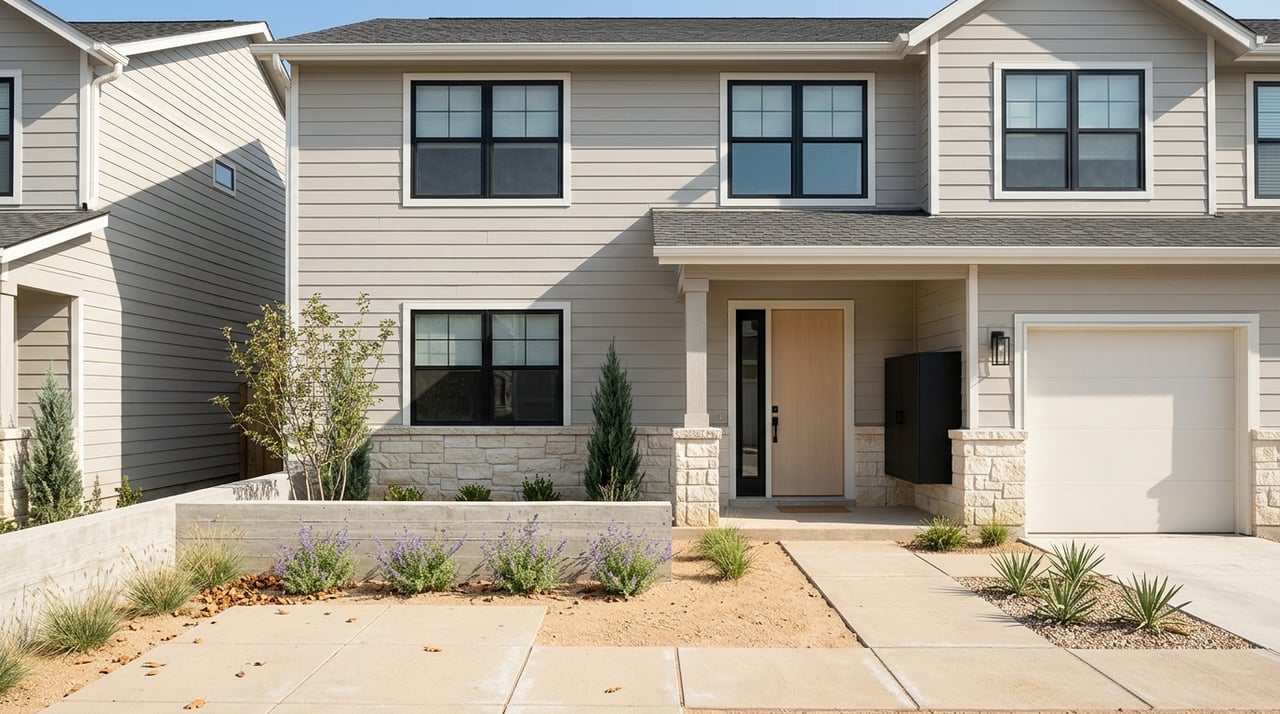
A condo often provides a lower entry price than a single-family home, especially for 1 to 2 bedroom units near downtown or University Hill. Many buyers choose condos for walkability to Pearl Street and trail access, with restaurants and shops right outside your door. The city’s Pearl Street Mall is a prime example of a lively, pedestrian-friendly hub that anchors condo living downtown. Learn why it is a celebrated public space on the Pearl Street Mall profile.
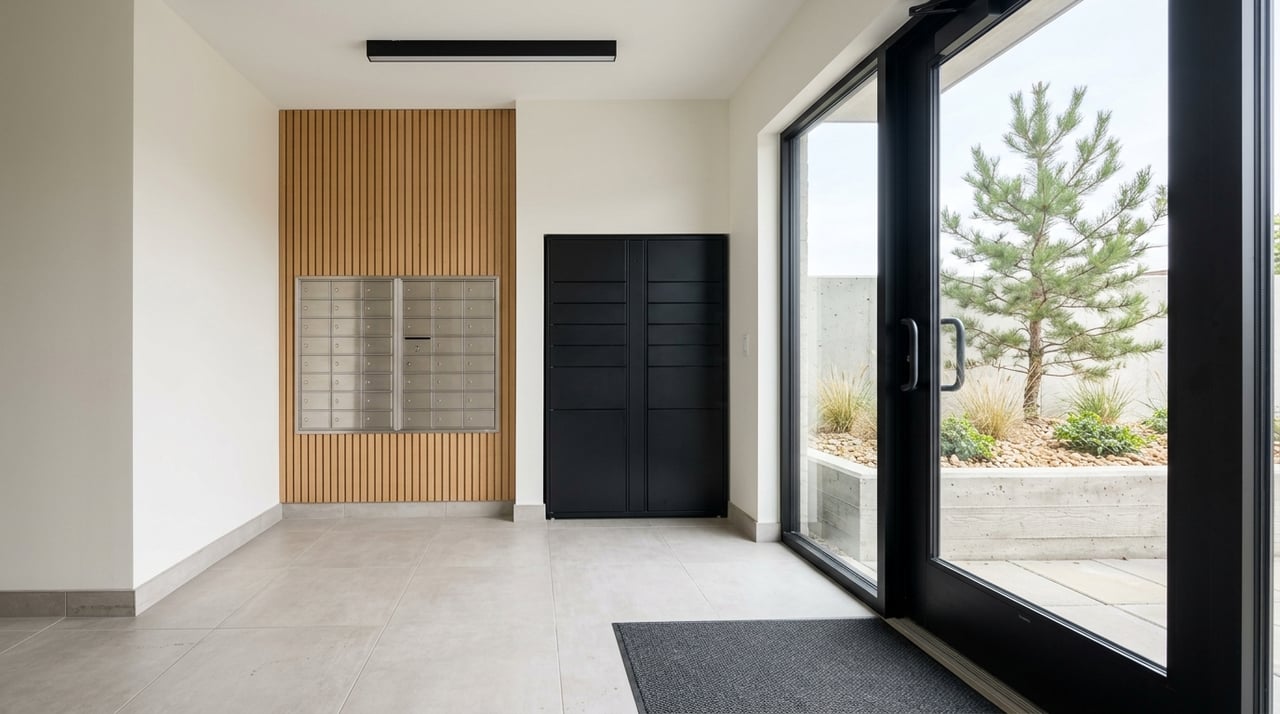
HOA dues vary widely by building. Typical dues run a few hundred dollars per month, while amenity-heavy or luxury buildings can be higher. Dues often include exterior maintenance, snow removal, landscaping, some utilities, and shared amenities.
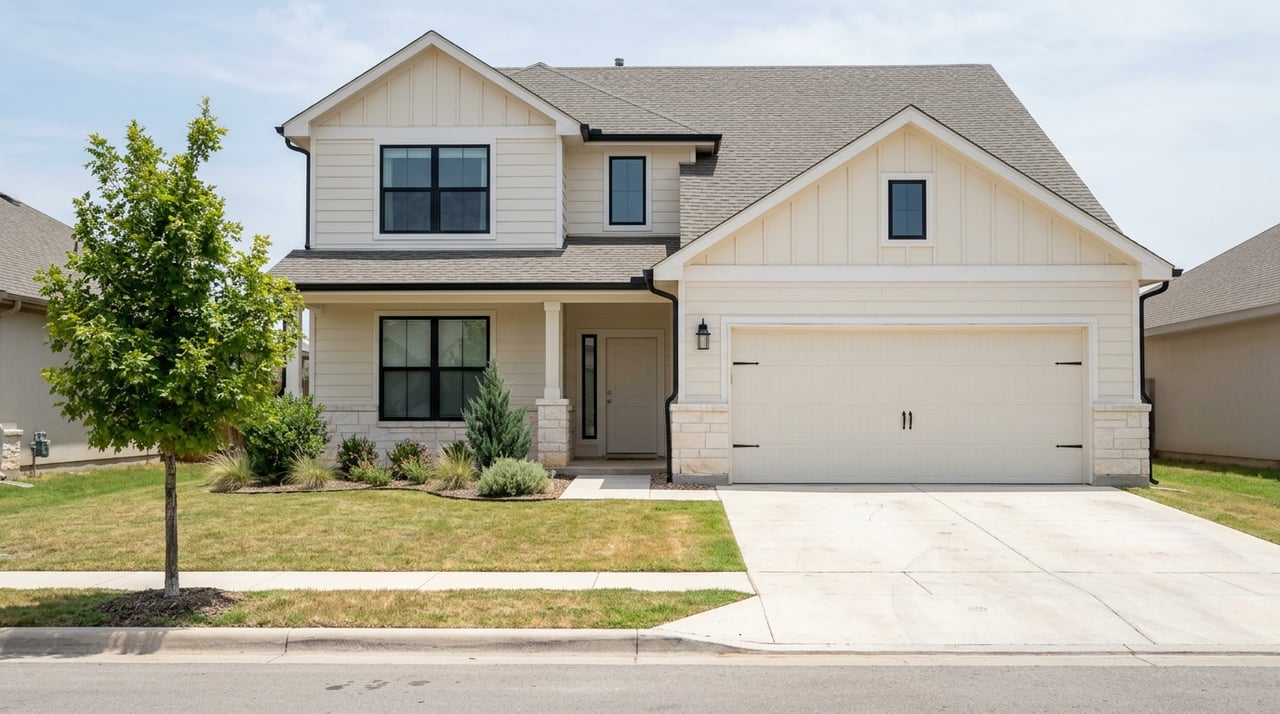
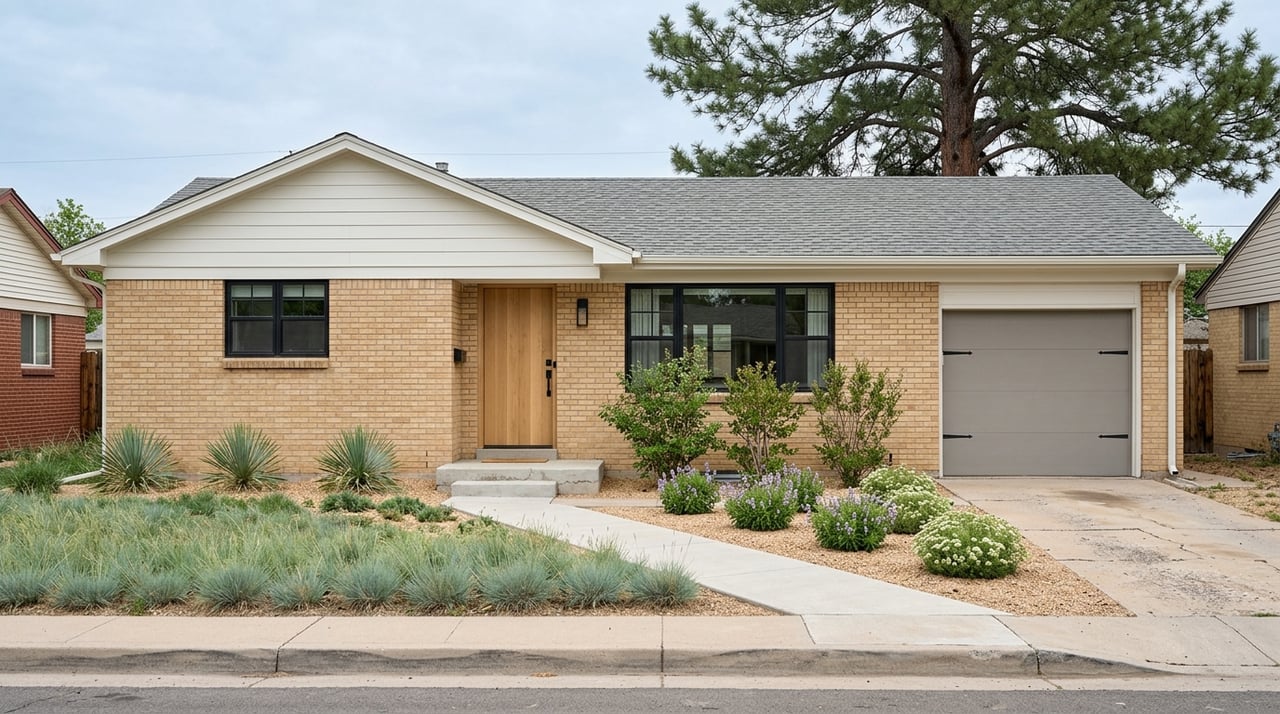
A house usually costs more upfront but offers more privacy, a yard, and control over exterior decisions. Many homes do not have mandatory HOA dues. You will handle roof, siding, landscaping, and other big-ticket upkeep on your own timeline and budget.
Colorado property taxes are calculated using your home’s market value, a statewide assessment rate, and local mill levies. The exact bill depends on the taxing districts for your address. For a clear walk-through of how taxes are calculated, use the Boulder County tax calculation guide.
Condo and townhome dues in Boulder often cover building exteriors, common areas, snow removal, landscaping, trash, and shared amenities. Some communities include water, gas, or internet. Dues can increase over time, and special assessments can occur if reserves are not funded well. Always check the current budget, reserves, and history of increases before you buy.
For a house, a common rule of thumb is to set aside about 1 to 3 percent of the home’s value each year for maintenance and capital items. Older homes or homes that need updates can run higher. For condos, some big items are handled by the HOA, but you still maintain the interior and share in large projects through dues or special assessments.
Before you buy a condo, request the CC&Rs, the most recent reserve study, the current budget, audited financials, insurance master policy, and 12 to 24 months of meeting minutes. These documents tell you whether the association is planning for roof replacements, siding, elevators, or other capital projects. Learn what to look for in a reserve study from the Community Associations Institute.
Colorado’s primary HOA law is the Colorado Common Interest Ownership Act. It outlines owners’ rights, association duties, and how assessments and disclosures work. If you want the legal text, you can read the CCIOA statute.
As of October 1, 2025, Colorado requires unit owners’ associations to register annually and report more data, including delinquencies and average assessments. This improves transparency for buyers who are evaluating a building’s financial health. Get details from the state’s Division of Real Estate bulletin.
The City of Boulder requires a license for short-term rentals and limits them to an owner-occupied principal residence. Some HOAs also prohibit or tightly restrict short-term rentals. If hosting is part of your plan, review both city rules and your building’s CC&Rs. See the city’s short-term rental licensing page.
Tradeoffs include less private outdoor space, possible parking constraints, and dues that can rise over time.
Tradeoffs include more maintenance, higher insurance in many cases, and larger repair costs over time.
Use this list to compare a condo vs a house for your exact situation.
This decision is personal. You deserve a calm, clear process that matches your budget and lifestyle. Sheri brings deep neighborhood knowledge, design insight, and patient education to help you compare monthly costs, review HOA documents, and understand tradeoffs before you write an offer. If you would like a tailored side-by-side for your shortlist, connect with Sheri Brown to get started.
Stay up to date on the latest real estate trends.


With Sheri's expert guidance, buying or selling your home becomes a seamless and positive experience, allowing you to focus on what truly matters: finding the perfect place to call home.
