May 7, 2026
If your ideal Boulder day starts with coffee on foot, includes a few errands without getting in the car, and ends with dinner close to home, you are not alone. Many buyers want a lifestyle that feels connected, convenient, and easy to enjoy day to day. The good news is that Boulder offers several areas where shops, cafes, and daily services are woven into the neighborhood experience. Let’s dive in.
Boulder is especially supportive of car-light living. The city describes itself as a Gold-level Walk Friendly Community, and its Transportation Master Plan treats walking as the highest-priority travel mode.
That local commitment shows up in daily life. You will find a connected pedestrian system, multi-use paths, and more than 300 miles of bikeway that help link homes to commercial districts and activity centers.
For buyers, that means walkability in Boulder is not limited to one single downtown block. It shows up in different ways across the city, from historic close-in neighborhoods to mixed-use districts and residential areas anchored by shopping centers.
If you want the clearest version of walkable Boulder living, start here. Downtown Boulder offers shopping, restaurants, services, entertainment, and events in a compact central area designed for activity.
Pearl Street Mall is the best-known example. The city describes it as a four-block outdoor pedestrian destination lined with local shops and restaurants, making it one of the easiest places in Boulder to enjoy a park-once lifestyle.
Housing near the core is varied. You may find historic single-family homes in older nearby blocks, mixed-use residential buildings, and other housing types within short distances of the downtown center.
This part of Boulder is a strong match if you want daily convenience to lead the decision. If your priority is walking to cafes, dining, errands, and events, downtown and Pearl Street are hard to beat.
It can also appeal to relocators who want a simple introduction to Boulder life. Being close to recognizable destinations and everyday services can make the adjustment to a new city feel easier.
If you love the idea of walkability but want a more residential setting, Mapleton Hill deserves a close look. It is one of Boulder’s largest historic districts, known for mature trees, a wide variety of homes, and close-in access to downtown.
This area offers a different feel than the condo and mixed-use options closer to the core. The character is more about historic houses, architectural variety, and leafy streets that still keep Pearl Street within walking distance for many residents.
For some buyers, this is the sweet spot. You get charm and proximity at the same time, with a neighborhood setting that feels distinct from the more active downtown blocks.
Historic districts come with added review around exterior changes. In Boulder’s designated historic areas, exterior modifications are reviewed through the city’s landmark process, so renovation and expansion may involve more rules than in non-designated areas.
That is not necessarily a drawback, but it is important to understand before you buy. If you are drawn to older homes and design details, it helps to weigh both the appeal and the responsibilities.
University Hill offers another version of walkable living. The district is known for its eclectic mix of housing, restaurants, shops, and entertainment venues in a compact, active setting near CU.
This area feels lively and energetic. The city’s parking management approach treats it more like an urban district than a suburban neighborhood, which reflects the level of activity and density here.
For buyers who enjoy being close to local businesses and a busy street life, University Hill can be appealing. If you prefer a quieter residential setting, you may want to compare it with Mapleton Hill or South Boulder.
Goss Grove is a useful neighborhood to know if your focus is central location and convenience. The city selected it for a parking and EcoPass pilot because of its high housing density, high parking demand, proximity to activity centers, and transit access.
In practical terms, that makes Goss Grove a strong example of in-town walkability. It is the kind of place where being near downtown and other destinations can matter more than having abundant parking.
This can work well for buyers who are comfortable with a more managed parking environment. It can also be relevant for sellers, since neighborhood lifestyle and parking realities often shape buyer expectations.
Boulder Junction was built with walkability in mind. The city describes it as a mixed-use, pedestrian-oriented transit district where people live, work, shop, and connect to local and regional transit.
This area stands out for its planning. Smaller walkable blocks, structured parking, and higher-density development support a more urban, connected lifestyle than many traditional neighborhoods.
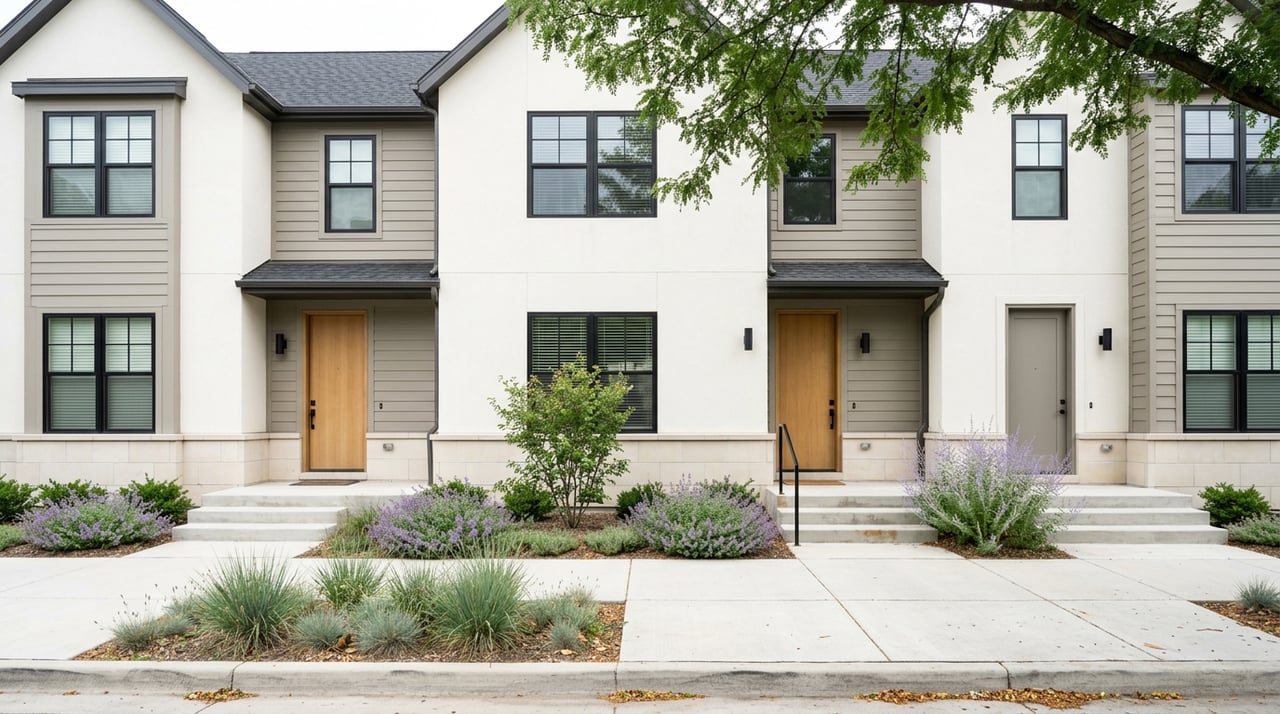
Housing options here also reflect that purpose-built design. You may see urban townhomes, stacked flats, live-work units, and other forms that fit buyers looking for lower-maintenance living close to shops and transportation.
Boulder Junction is one of the strongest options if you want a car-light routine. It offers a practical mix of housing, daily convenience, and transit access in a district designed around movement and access.
For first-time buyers or relocators, it can be easier to picture how daily life works here. The layout and housing types make the walkable lifestyle feel intentional and approachable.
North Boulder offers a blend of established residential areas and newer walkable nodes. The city’s planning documents describe North Boulder as diverse, inclusive, adaptive, and community-oriented, with mixed-use and medium-density residential designations in key areas.
NoBo adds a cultural and creative layer to the area. The city describes it as a neighborhood-based cultural ecosystem with creative businesses and community-oriented activity.
For buyers, this means North Boulder can offer more variety than a standard low-density neighborhood, especially near Broadway. If you want some walkable amenities without being in the middle of downtown, this part of Boulder may be worth exploring.
South Boulder is a strong choice if you want walkability in a more residential setting. The area developed largely in the 1950s and 1960s, and the Table Mesa shopping center serves as a central everyday destination within the subcommunity.
This part of town often appeals to buyers who want access to services on foot but do not need the density or energy of downtown. The housing pattern is tied to Boulder’s postwar subdivision era, with ranch-style variations commonly associated with the area.
That combination can feel practical and comfortable. You get a calmer neighborhood environment while still having daily needs nearby.
Boulder’s walkable areas generally fall into a few broad patterns. Knowing these can help you narrow your search faster.
This matters because walkability is not one-size-fits-all. The right fit depends on whether you value historic character, newer low-maintenance housing, or a more traditional residential feel with nearby services.
In Boulder, walkability and parking often go hand in hand. The city uses on-street pay stations and time limits in downtown, University Hill, and Boulder Junction, and Goss Grove was selected for a pilot tied to its density and transit access.
The simple takeaway is this: the most walkable areas are often the places where parking is more managed. If you are buying, it is smart to think about how often you drive, where guests may park, and whether convenience on foot matters more than storing multiple cars.
For sellers, this is also part of positioning a home well. Buyers looking in highly walkable areas are often making trade-offs on purpose, so clear expectations are important.
The best neighborhood for you depends on what “walkable” means in your real life. Some buyers want restaurants and cafes at the front door, while others want a quieter home base with a few key services nearby.
A simple way to think about Boulder’s walkable areas is this:
If you are buying, touring these areas with a clear picture of your daily routine can make the choice much easier. If you are selling in one of these neighborhoods, understanding the specific walkability story of your home can help shape stronger marketing and presentation.
Walkable living in Boulder is not just about being near a coffee shop. It is about finding the version of convenience, character, and neighborhood rhythm that fits your life. If you want help comparing Boulder’s close-in neighborhoods, transit-oriented districts, or residential pockets with nearby services, Sheri Brown can help you make a thoughtful, local-informed move.
Stay up to date on the latest real estate trends.
With Sheri's expert guidance, buying or selling your home becomes a seamless and positive experience, allowing you to focus on what truly matters: finding the perfect place to call home.
